
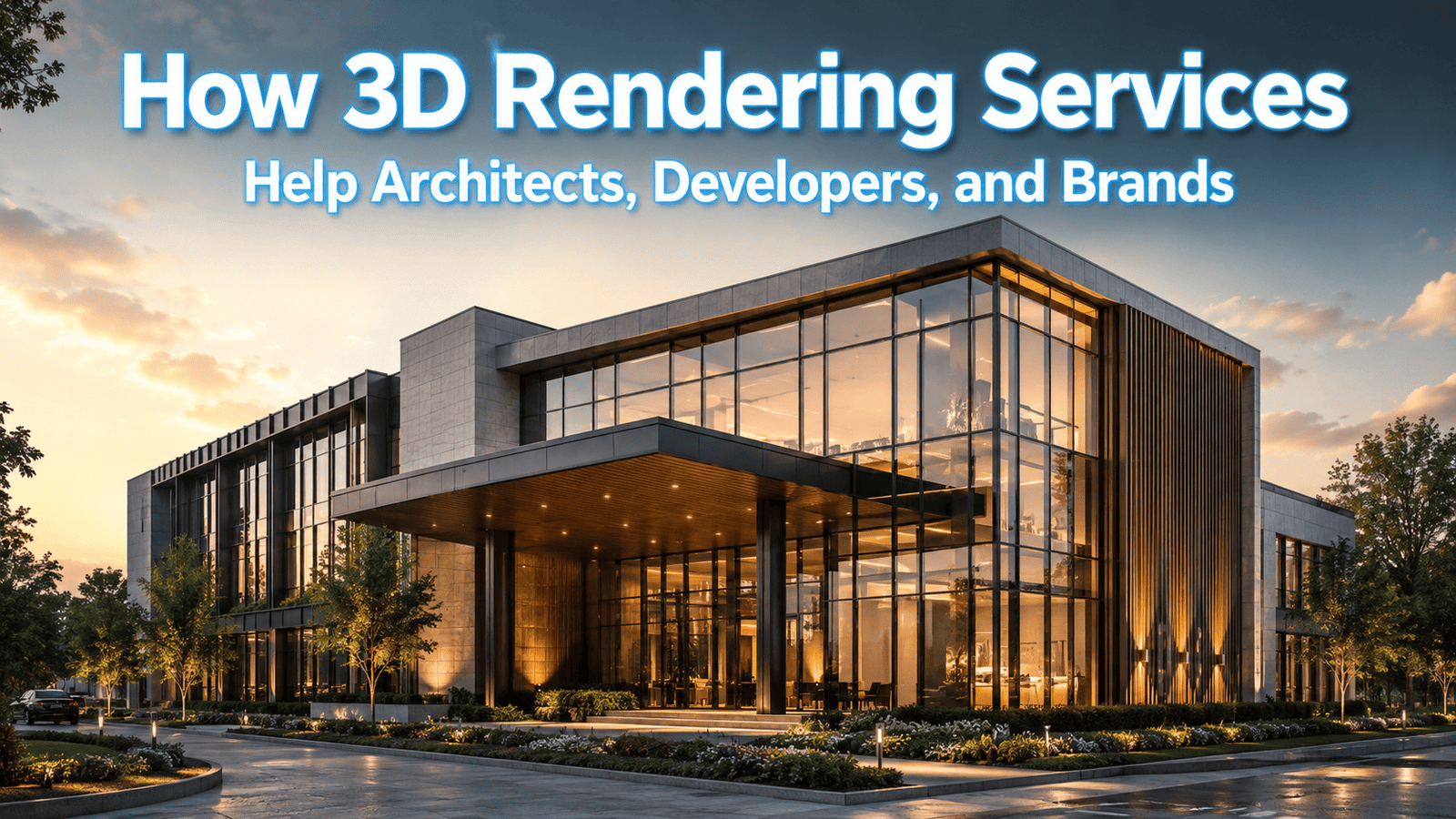
How 3D Rendering Services Help Architects, Developers, and Brands Bring Ideas to Life

Introduction
An idea on paper is hard to sell. A client can’t picture a finished building from a flat blueprint alone.
This is the exact problem 3D Rendering Services solve. They turn plans into realistic images clients can actually see and understand.
At Blue Ribbon 3D, we work with architects, real estate developers, and product brands every week who need exactly this. This guide breaks down how each service works, and who it helps most.
We’ll walk through every core offering, from exterior renders to full walkthrough animations, so you know exactly what to ask for on your next project.
By the end, you’ll understand which service fits which stage of a project, and how to judge whether a studio is delivering real quality.
Quick Answer
| 3D rendering services turn architectural drawings and product concepts into photorealistic images and animations. Architects use them for design approval, developers use them for marketing, and brands use them for product visualization, all without needing a finished physical build or sample. |
Why Architects Rely on 3D Rendering
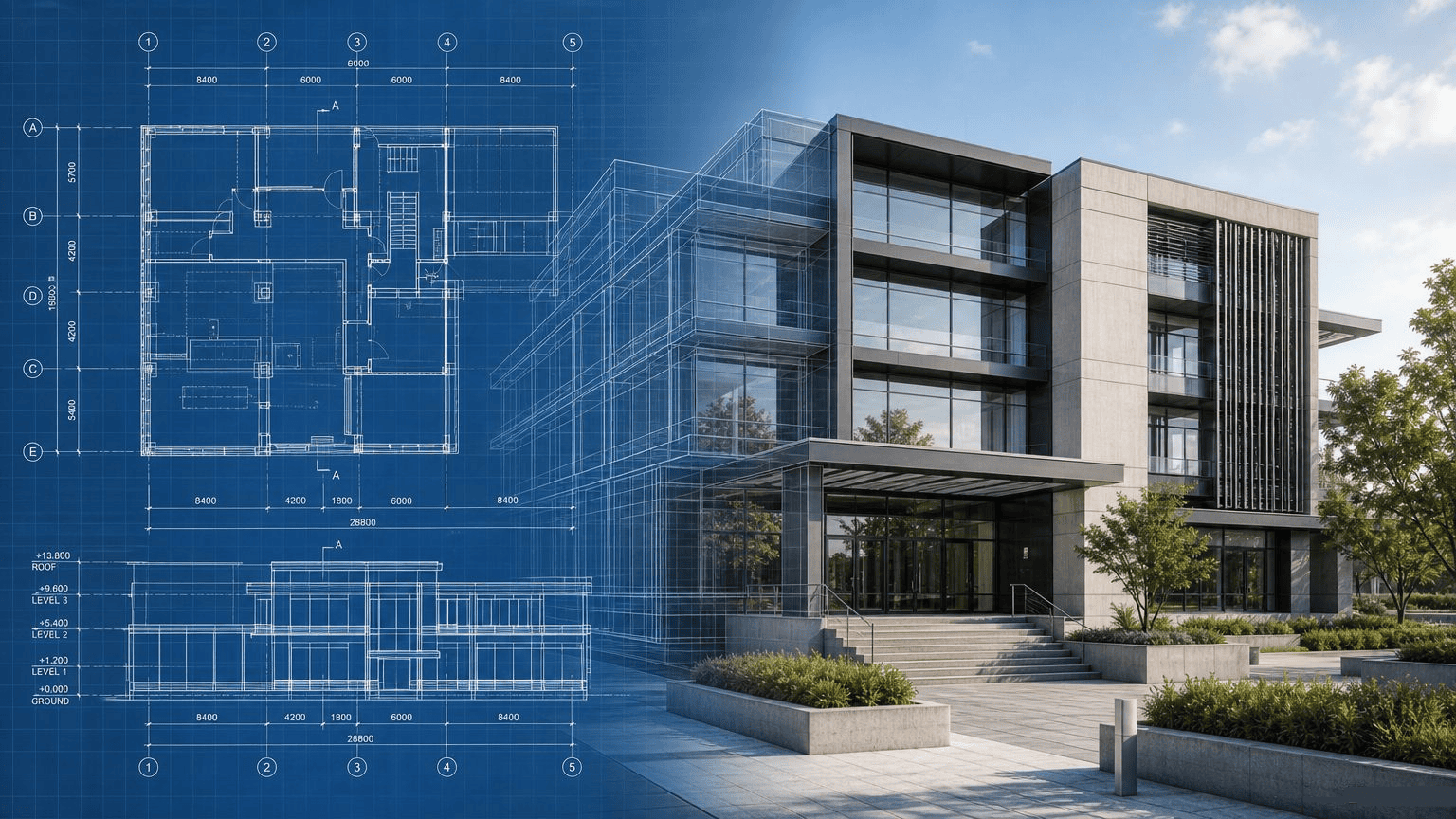
Architects present ideas long before construction starts. A client needs to approve a design based on drawings alone.
This is risky without visuals. Small misunderstandings about scale or material can turn into expensive changes later.
A 3d rendering company removes this risk. Clients see an accurate, photorealistic version of the design before a single wall gets built.
This single step often prevents costly revisions during construction, since design issues get caught on screen instead of on site.
Rendered visuals also help architects win new business. A polished, photorealistic presentation makes a much stronger impression than a technical drawing alone during a client pitch.
What Makes an Architectural Visualization Studio Different
Not every studio delivers the same quality. A skilled architectural visualization studio combines technical accuracy with real design sensibility.
Technical accuracy means correct scale, materials, and structural details. Design sensibility means knowing how to light a scene so it feels real, not artificial.
A true 3d animation studio brings both skills together, especially for moving content like walkthroughs, where lighting and camera movement both need to feel natural.
Many studios can produce a technically correct render. Fewer can make that render feel genuinely inviting, the way a real photograph would.
This difference shows up most in small details: how sunlight falls across a floor, how shadows fall under furniture, how reflective a glass surface actually looks.
Exterior 3D Rendering: First Impressions Matter
The exterior of a building is often the first thing a buyer sees. exterior 3d rendering captures this first impression before construction even begins.
Good exterior renders show accurate facade materials, landscaping, and lighting at different times of day.
This helps developers market a property months, sometimes years, before it’s actually built.
Multiple camera angles are often useful too. A street-level view helps buyers imagine walking up to the building, while an aerial view shows how it fits into the surrounding neighborhood.
Seasonal variations also matter for marketing. Showing the same exterior in both summer greenery and winter conditions helps buyers picture the property year-round.
Interior 3D Rendering: Selling the Feeling of a Space
Buyers don’t just buy square footage. They buy how a space feels. interior 3d rendering captures that feeling clearly.
Accurate lighting, furniture placement, and material textures all shape how a room feels on screen.
This matters especially for pre-construction sales, where buyers have nothing physical to walk through yet.
A well-lit interior render can make a modest room feel bright and spacious, while poor lighting can make even a large room feel flat and uninviting.
3D Walkthrough Animation: Movement Sells Space
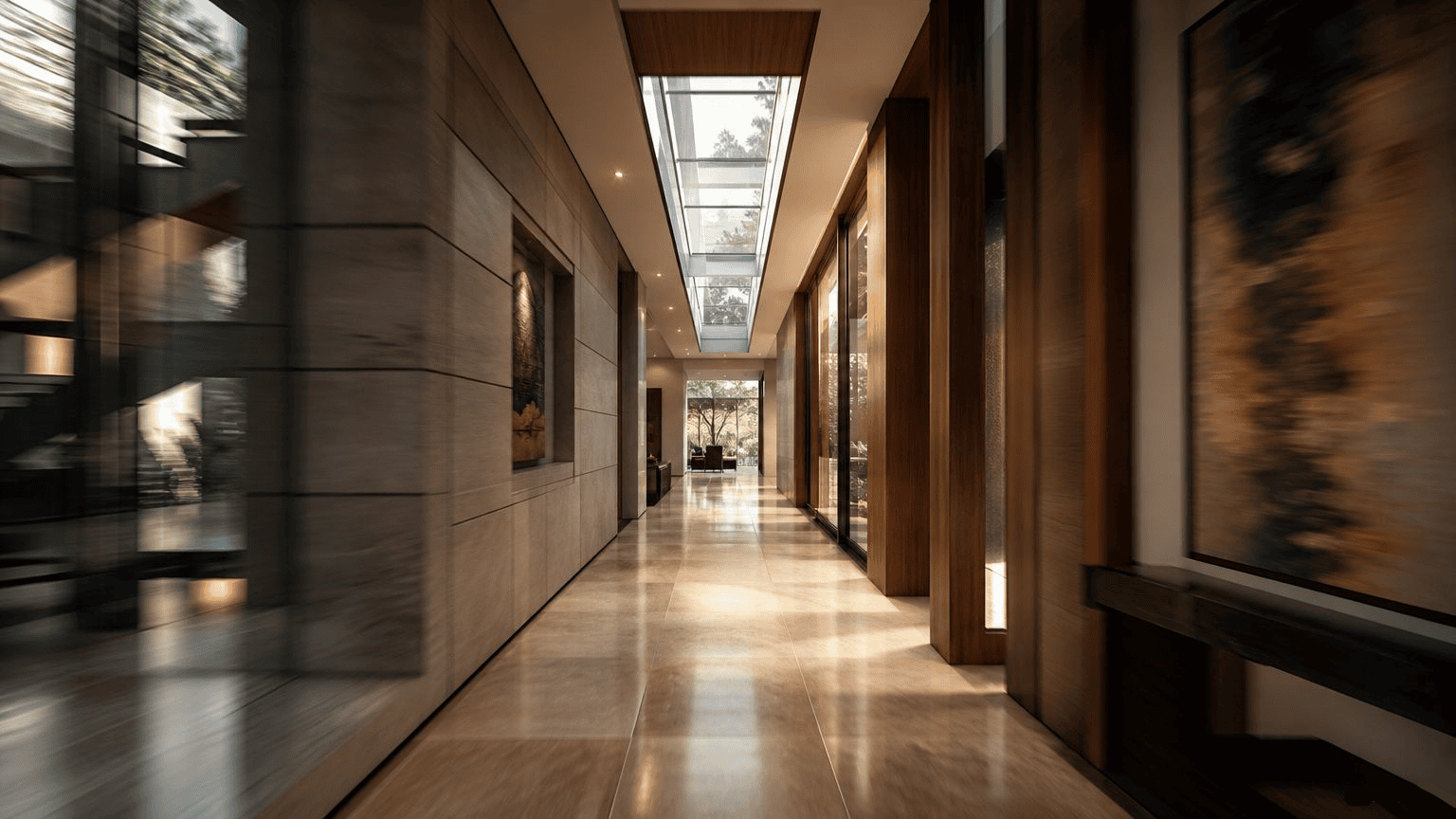
A static image shows one angle. A 3d walkthrough animation shows the full experience of moving through a space.
This format works especially well for large developments, where buyers benefit from seeing how spaces connect and flow into each other.
Sales teams often report stronger engagement with walkthrough videos than with static image galleries alone.
A good walkthrough follows a natural path, the same route a real visitor might take entering a building and moving through its main spaces.
This natural pacing matters more than raw visual detail. A walkthrough that feels rushed or disorienting can actually hurt a buyer’s impression, even with high-quality rendering.
3D Product Rendering for Brands
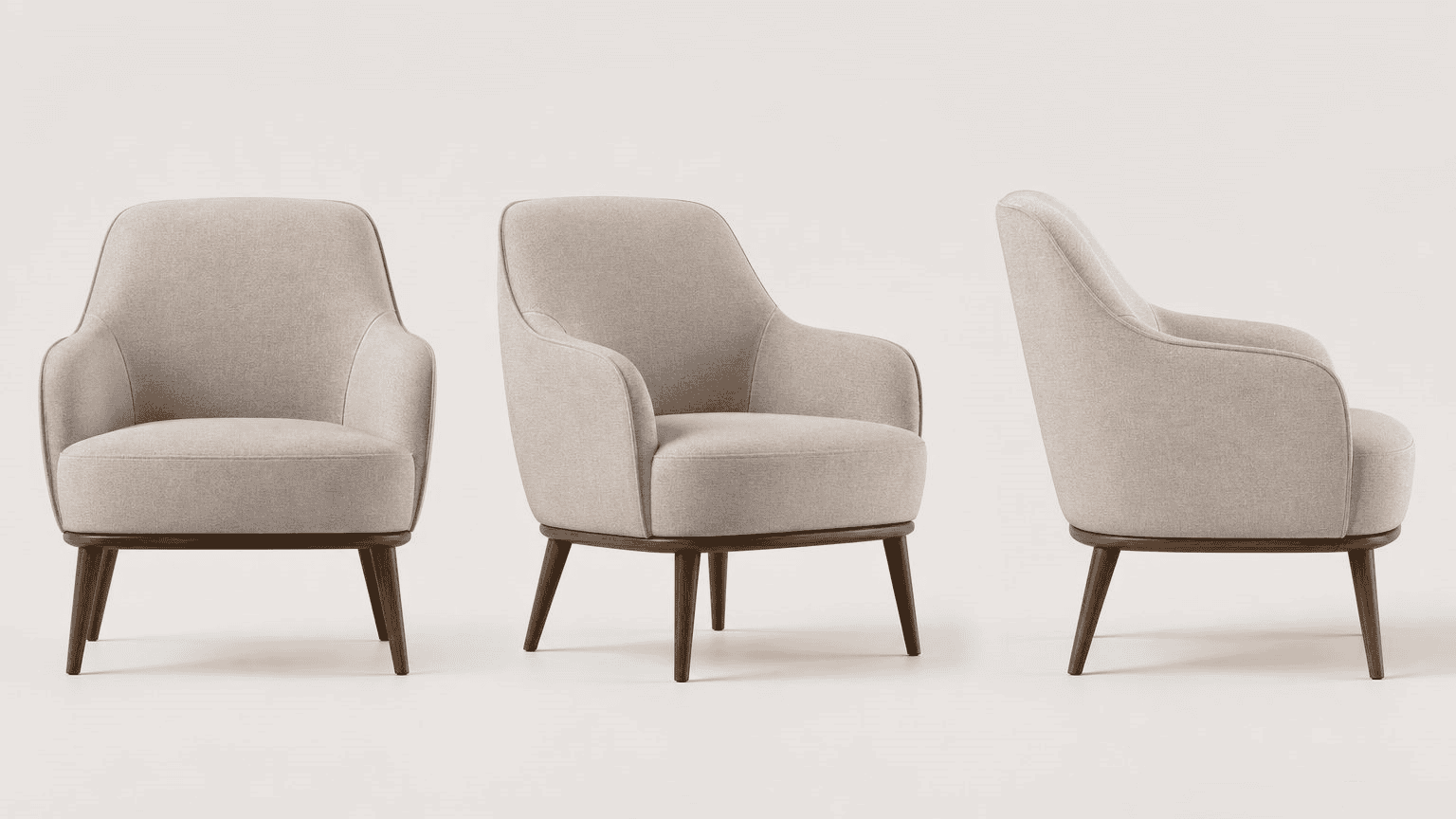
This technology isn’t limited to buildings. 3d product rendering helps furniture and product brands market items without a full photo shoot.
One 3D model can generate dozens of images across different colors, angles, and room settings.
This flexibility makes product rendering a cost-effective alternative to traditional photography, especially for large catalogs.
Brands launching new products also benefit from timing. A 3D render can be ready for marketing well before physical inventory arrives.
This timing advantage lets marketing and sales teams start building buzz before the product physically exists, which can shorten the gap between announcement and first sale.
360 Virtual Tours: Letting Buyers Explore Remotely
Not every buyer can visit in person. A 360 virtual tour lets them explore a space remotely, at their own pace.
This has become especially valuable for international buyers, who may be purchasing property or considering a project from another country entirely.
VR-compatible tours add an extra layer of immersion for buyers who want an even closer sense of scale and space.
Real estate agents also use 360 tours as a screening tool, letting distant buyers narrow down options before scheduling an in-person visit.
3D Modeling Services: The Foundation of Every Render
Every render starts with a model. 3d modeling services build the accurate digital geometry that every other service depends on.
Skipping accuracy here causes problems later. A poorly modeled building looks wrong no matter how good the final rendering looks.
This is why experienced studios spend real time on modeling before moving to lighting or animation.
A rushed model shows up as subtle but noticeable errors, slightly misaligned windows, uneven wall thickness, or proportions that feel just slightly off.
3D Floor Plans: Clarity Before Construction
Floor plans are often the first document a buyer sees. A clear 3d floor plan makes layouts far easier to understand than a flat 2D drawing.
Buyers can judge room proportions and flow at a glance, without needing to interpret technical drawing symbols.
This clarity reduces confusion during sales conversations, since buyers can see exactly how furniture might fit before committing.
How to Choose the Best 3D Rendering Company
Quality varies a lot between studios. When comparing the best 3d rendering company options, check these factors first.
- Portfolio consistency across exterior, interior, and animation work
- Clear pricing with no hidden revision fees
- Realistic turnaround estimates backed by client reviews
- A dedicated point of contact throughout the project
Requesting a sample render before committing to a full project is the fastest way to judge a studio’s actual quality.
It’s also worth asking how the studio handles feedback. A quick, clear revision process saves significant time compared to studios that require lengthy back-and-forth for small changes.
Real Business Impact of 3D Rendering
Beyond visuals, 3D rendering affects real business outcomes for architects, developers, and brands.
- Faster client approvals, since fewer questions arise from unclear plans
- Stronger marketing materials for pre-launch and pre-construction campaigns
- Reduced construction changes caught early through visual review
- Consistent branding across print, web, and social media content
These benefits compound over multiple projects. A studio with a strong rendering partner spends less time on miscommunication and more time on actual design work.
Marketing teams also benefit directly. High-quality renders perform better in ads and listings than blurry construction photos or basic sketches.
Typical Project Timeline From Start to Finish
Understanding the timeline helps set realistic expectations before starting a project.
Most projects begin with a brief. The studio reviews floor plans, elevations, or product specs to scope the work accurately.
Modeling comes next. This stage builds the accurate digital geometry every other step depends on.
Once the model is approved, texturing and lighting begin. This is where the image starts looking photorealistic.
Final review and revisions close out the project. Most studios build in one or two rounds of feedback before final delivery.
Rush projects are possible, but usually cost more. Planning ahead avoids paying a premium for compressed timelines.
Frequently Asked Questions
What are 3D rendering services used for?
3D rendering services turn architectural drawings and product concepts into realistic images and animations, used for marketing, client presentations, and design approval before construction or manufacturing begins.
How much do 3D rendering services cost?
Pricing varies by project type and complexity. Exterior renders typically range from $150 to $600 per image, while walkthrough animations cost more due to added production time and camera work.
How long does a 3D rendering project take?
A single exterior or interior render typically takes 5–7 days. Walkthrough animations take longer, often two to four weeks depending on length and complexity.
Do I need a physical sample for product rendering?
No. Studios can build accurate 3D models from technical drawings and dimensions alone, which is especially useful for pre-launch products that don’t exist physically yet.
What’s the difference between 3D modeling and 3D rendering?
3D modeling builds the digital geometry of an object or building. Rendering adds lighting, materials, and textures to that model to create the final photorealistic image.
Can 3D rendering be used for both architecture and products?
Yes. The same core technology supports architectural visualization, interior design, and product visualization, just applied to different subjects and scales.
Do I need separate studios for renders and animations?
No. Most full-service studios handle both static renders and animated walkthroughs, which keeps visual style consistent across your entire project.
How many revisions are typically included?
Most studios include one to two rounds of revisions in their base pricing. Additional revision rounds are usually available at an extra cost.
Conclusion
From first concept to final marketing image, 3D Rendering Services now shape how architects, developers, and brands present their ideas.
Choosing a studio that handles the full range, modeling, rendering, animation, and virtual tours, keeps quality consistent across every stage of a project.
This consistency matters more than most people realize. Mixing vendors for different services often creates a mismatched look across marketing materials, which can hurt a brand’s professional image.